How People Express Their Creative Side (+ Ideas!)
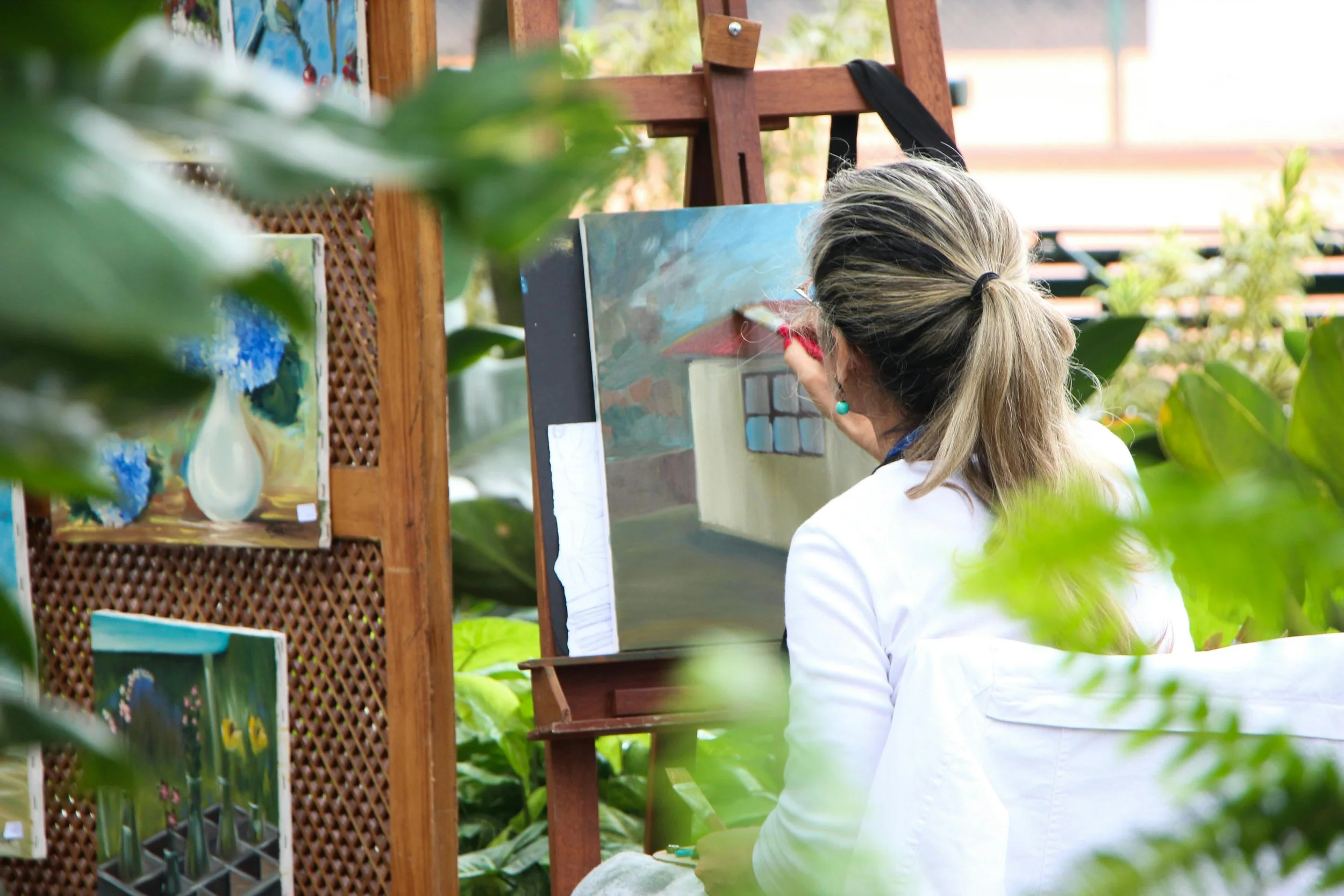
Creativity is a fundamental element of being human. At its core, creativity means using imagination, intuition, and presence to shape something meaningful. The act of creating can be as simple as rearranging branches into a forest-floor mandala, or as involved as writing a 400-page novel.
When we engage creatively, we connect deeply with ourselves. For changeworkers and people seeking a more regenerative, values-aligned life, creative expression becomes a way to align your inner world with outer action. In creating, we move beyond consumption and reactivity; we become active participants, that is co‑creators of life, meaning, and beauty.
And let’s not forget that expressing creativity fosters personal growth: as we try new forms, we practice new skills and learn new capacities - awareness, patience, problem‑solving, emotional insight, and a greater sense of ourselves. Over time, creative practice deepens self understanding, enriches life, and supports positive transformation.
Avoiding Common Mistakes in Creative Expression
A common mis‑step is judging creativity by the result rather than the process. Many people abandon creative impulses because they fear they’re “not good enough,” or that their output won’t be beautiful, polished, or “worthy.” But creativity doesn’t need perfection. Its power lies in the doing - in the exploration, feeling, and flow.
Another mistake is waiting for perfect conditions: a big block of time, a fully equipped studio, or external validation. This mindset can paralyse creativity before it even begins. Instead, creativity thrives when we start small, weave it into everyday life, and treat it as a living practice rather than a grand never-ending project.
Finally, many of us mistake “being busy” for “being productive.” If we are constantly on our phones, working, or anxious in our minds, we leave no space for creative impulses to emerge. Creativity needs spaciousness and presence - a pause from constant doing to open up to just being.
Balancing Innovation with Substance
True creativity isn’t novelty for novelty’s sake - the most meaningful creative expressions combine personal innovation with substance and intention. According to creativity scholars, creative output should be “different, new, useful, and relevant.”
That means creative acts don’t have to be flashy or disruptive. They can be subtle, gentle, quiet, but rooted in depth: aligned with your values, inner life, or deeper emotions. For instance, you might try a new recipe in the kitchen but bring their presence, intention, and curiosity to it. Or rearrange your living space to reflect a sense of calm or joy.
Balancing innovation with substance helps creativity nourish our lives rather than distract us. It becomes a source of meaning.
Authenticity in Tone and Style
Authenticity is central to creative expression. Real creativity arises when we stop trying to imitate others and start tuning into our own inner voice. Formal training, artistic “rules,” or external ideals may help but they shouldn’t override your own sense of truth.
This is why creativity expressed in everyday acts can be just as powerful as professional “art.” Whether through writing, spontaneous singing in the shower, arranging wild‑foraged leaves into a pattern, or dancing for a few minutes, the authenticity of the experience matters more than perfection.
When we let go of judgment (“Is this good enough?”), we open space for genuine expression. Over time, a unique style, grounded in our worldview and inner experience, begins to emerge. So much so that it becomes recognizable! As creativity researchers have observed, individual creative style tends to be recognisable across different domains (e.g. across painting or creative writing).
If you’d like support, guidance, or inspiration, consider signing up to our upcoming “Rekindle Your Creativity” series - a gentle, week‑long journey of small creative practices designed to help you reconnect with your inner spark.
Benefits of Embracing Creativity
Enhancing Self‑Awareness
Creative expression often brings unconscious thoughts, feelings, and values to the surface. Through writing, painting, movement, or crafting, you translate inner impulses into visible or tangible form. This translation process fosters introspection and clarity about who we are, what we feel, and what we value.
Problem‑Solving Through Creative Thinking
Engaging in creative activities encourages flexible thinking and experimentation. As one writer notes, when things don’t go as expected (e.g. colours clash, a recipe goes wrong), we learn to adapt, troubleshoot, and explore alternative paths. These problem-solving skills naturally transfer to other areas of life - work, relationships, activism, or everyday challenges.
Stress Relief & Well‑Being
Countless studies support the link between creativity and improved mental health. Engaging in creative arts has been shown to reduce stress, lower anxiety, boost mood, and increase self-confidence.
Creative expression can act as a meditative, grounding practice offering an escape from worry, rumination, or overwork. It restores balance and connection: with our inner world, with our body, with others.
Incorporating Creativity into Daily Routine
Infusing your everyday life with creative touches doesn’t need to be time‑consuming or demanding. It’s about small shifts in attitude, awareness, and action.
Start small: carry a small notebook to jot down ideas; doodle on a grocery list; write a short poem while waiting in line for coffee. Many of us already do creative things without calling them “creative”. Maybe you already cook or rearrange things in your home - with a little intention, that becomes creative expression.
Make creativity a habit: try a “chain” - commit to a small creative act daily or several times per week; check it off in a journal or calendar. This builds momentum and normalises creativity as part of life. Remember that it takes an average of 66 days for a new daily habit to become automatic!
Use your existing routines: when cleaning, put on music and dance while you vacuum; during a walk, bring back admiring interesting leaves or flowers and then arrange them into a pretty design on a table; take photos on holiday (even with your phone) and later print them for an album. These small acts bring beauty, presence, and personal meaning into daily life.
Building Confidence Through Creative Activities
Practicing creative expression, even small achievements like a poem, a new recipe, or a journal entry, contributes quietly but powerfully to self‑confidence. Completing something you created, however imperfect, affirms that you are capable, resourceful, and worthy of being seen.
For many, this builds a strong sense of “I can do this” - not just in art, but in other life areas too. As creative practice becomes habitual, confidence grows in parallel with increased capacity to take risks, explore, and trust one’s inner voice.
Steps for Meaningful Self‑Discovery
Creative expression can be a beautiful path to self‑discovery. Here are steps to deepen your journey:
Pause and create space: put down the phone, take a few deep breaths, sit quietly for a moment. This simple act of mindfulness opens the door for quieter thoughts, feelings, or ideas to arise. Presence is the first step to creativity.
Notice what moves you: a melody, a memory, a colour, a scent, or a feeling.
Pick a medium that feels accessible: journaling or simple doodling often works best as a first step.
Create without judgement or expectation: let go of judgement like “good vs bad” and “not good enough”, and instead focus on how it feels.
Reflect on what arises and why: emotions, memories, or insights may come up and that’s ok. Explore these.
Repeat regularly: over time, patterns emerge; your inner world becomes clearer and your creative voice begins to evolve.
The Role of Technology and Social Media
Today, technology and social media offer both opportunities and pitfalls for creative expression. On one hand, tools like digital illustration, video editing, photography, and even AI‑based creative tools can open fresh avenues for people who might otherwise feel limited. Online platforms allow sharing, collaboration, inspiration, and feedback - which can be encouraging and motivating. Some recent “creative outlet” lists even include “playing with AI” as an option (welcome to the 21st Century!).
On the other hand, social media can also distract, overwhelm, and foster comparison or perfectionism, killing spontaneity and making authentic expression that much harder. For creativity to flourish, it helps to balance digital tools with moments of unplugged, inward-centred presence. I recommend not just diving into technology and, conversely, non-technological tools to explore your creativity - you never know what you’ll end up loving!
Influence on Teens’ Creativity
Creative expression is especially influential in adolescence. For young people, creative outlets (from drawing to theater to painting) provide a safe space for exploring identity, emotions, and social relationships. Creativity supports self‑esteem, emotional regulation, and social skills.
Encouraging teens to engage in creativity in non‑judgemental, supportive environments helps them understand that everyone is creative and there is no single “right” output. It can give them a sense of agency, resilience, and belonging. Especially if their schooling makes them feel constrained, restricted, or controlled.

Connections & Challenges in Creative Expression
While creative expression offers many benefits, there are real challenges:
Perfectionism & self‑critique: judging early efforts harshly can stifle creativity before it even begins.
Busy schedules & lack of time: modern life often leaves little space for unstructured, process‑oriented activities.
Digital distraction & overstimulation: constant connectivity can fragment attention, and make it hard to slow down and listen to inner impulses.
Cultural or social expectations: many societies value “productivity” and result‑oriented output more than process, which can make expressive, process‑based creativity feel unproductive or frivolous.
Overcoming these challenges often requires intention: creating space, embracing imperfection, and reclaiming time.
Tips for Starting Your Creative Journey
If you feel drawn to express your creative side but don’t know where to begin, keep these in mind:
Begin with journaling: writing is often the most accessible entry point. It’s portable, private, and forgiving. In my experience, journaling or writing little poems (even just for yourself) can open the door to deeper expression.
Treat creativity as a mindset, not a skill: you don’t need to master technique; you just need presence and curiosity.
Use simple materials: a pen and notebook, found objects from nature, a camera (even your phone), basic craft supplies - all are enough to start.
Set small, manageable intentions: a few minutes a day or week, a small doodle or note in the mornings, a delicious kitchen experiment, a creative furniture rearrangement at home, you get the idea.
Make space in your life (physically, mentally, temporally): pause work, put down the phone, breathe, sit quietly. Give yourself a chance for spontaneity.
Let go of judgment: don’t aim for perfection, beauty, or approval. Create for the feeling, for the process - not the end result.
Be consistent: over time, even small creative acts compound to build confidence, sustainable expression, and presence.
Experimenting with New Ideas
Don’t be afraid to try different forms of creative expression: music, creative movement, costume, cooking, crafting, storytelling, photography, gardening - anything that resonates.
If doing one activity sounds boring, you can even try exploring unexpected combinations: write while walking, sketch while listening to birds, arrange objects found outdoors, dance while cleaning, write a poem after a deep breath. These experiments can help you discover what medium or mode resonates the most with your inner world.
Over time you’ll likely find one or several “languages” of expression, but part of the joy can also come from mixing, evolving, and trying new things.
More ideas:
Making music
Dancing
Singing
Drawing
Cooking
Joining a choir
Gardening
Making bouquets of flowers
Decorating with DIY ornaments for different holidays
Inventing games with the children
Putting on plays
Create an outfit with thrifted fashion
Journaling
Writing short stories
Playing outside in nature
Building furniture
Crafting
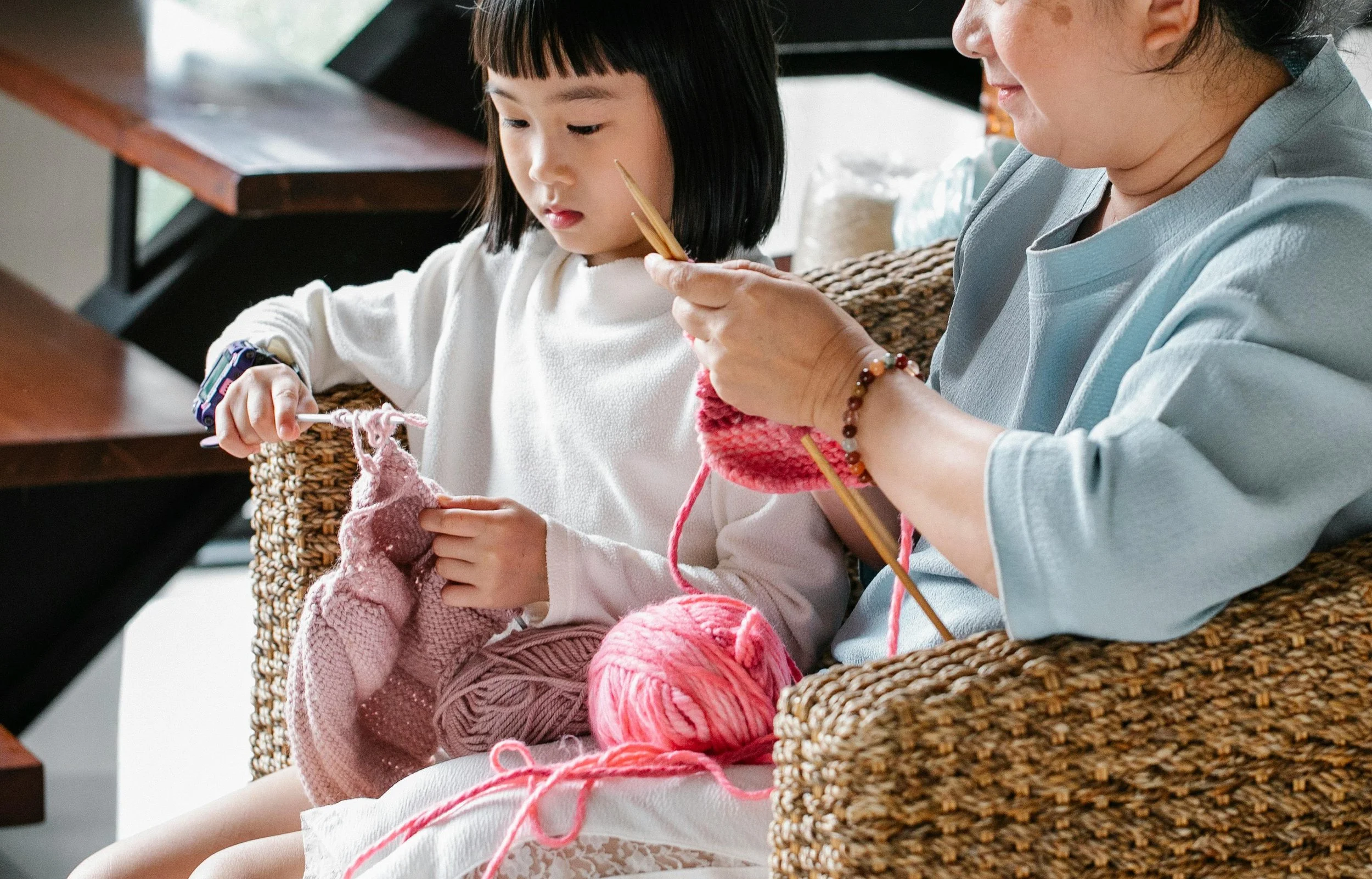
Knitting
Foraging
Photography
Reading fantasy books
Paper maché
Origami
Yoga
Diamond painting
Crocheting
Sports
Sewing
Engaging with a Creative Community
Creating alone can be powerful no doubt, but being part of a community deepens the experience ten-fold. Shared creative spaces, classes, workshops, collaborative projects help build connection, accountability, and inspiration.
Community also offers encouragement, feedback, and mutual appreciation, which helps counter internal critique and feelings of perfectionism. Sharing creative struggles and joys with others builds belonging and reminds us that we’re not alone in opening to our inner world and to others’ inner worlds.
Starting Small & Building Over Time
The most sustainable creative lives often begin in small, humble ways, a rhythm here, a poem there, a few minutes dancing in the living room, a fun new cookie recipe. With time, the positive effects of these small gestures accumulate! I remember starting my creative movement journey and how much I felt like a beginner. It was only through repetition, intention, and dedicated practice did I begin to embody the expression and the feelings it brought up.
Rather than waiting for a “calling,” a “project,” or a “big block of time,” I recommend inviting creativity into your daily life. Let it become a living, breathing practice, one that evolves as you do.
For people who want to feel more connected, with themselves, others, and nature, creativity is one of the most powerful bridges. It helps us slow down, notice, feel, and express buried emotions. It invites us to become co‑creators of meaning, beauty, and connection rather than passive consumers of life.
For those who seek more well‑being, flow, and hope in their lives, a creative practice offers exactly that: a way to ground, to explore, to heal, and to grow.
If you’ve been curious about exploring your creative side (whether you “know your medium” or feel totally new), I invite you to start small, without expectation, and see what unfolds.
If you’d like support, guidance, or inspiration, sign up to our FREE Rekindle Your Creativity email series - a gentle, week‑long journey of small creative practices designed to help you reconnect with your inner spark.
Let creativity be the practice of presence, connection, and becoming - one small act at a time.

Hi there, so lovely that you're here! Looking forward to connecting with you. - Nora
