Best Creative Activities For Adults: 33 Ways to Have Fun
Creative activities for adults aren’t just fun, they’re proven to improve well-being, nurture your inner child, and help us connect with ourselves and others in deeply meaningful ways. Whether you’re looking to kickstart a new hobby, deepen your inner world, or meet new creative companions, there’s creative activities for everyone!
How to Choose an Activity
Choosing the right creative activity can feel overwhelming, I completely get it! Especially when there are so many enticing options. But I recommend lowering the stakes and giving something a try sooner rather than later.
Here’s a simple way to narrow things down if you’re feeling analysis paralysis:
Reflect on your motivation
Are you seeking relaxation, stimulation, social connection, or meaningful self‑expression?
Do you want something solo or a way to make friends?
Are you drawn to making something with your hands, movement and embodiment, words and imagination, music and sound, or nature and the outdoors?
Consider your lifestyle
How much time can you realistically commit?
Some activities are great for a few minutes daily (e.g. journaling), while others are richer as weekly group meetups (e.g. choir or pottery).
Be kind to yourself - it’s fine to experiment and change your mind as often as you want.
Start small
Choose something that feels easily accessible rather than intimidating or time-consuming. Momentum often beats perfection.
Finally, I know it’s easier said than done, but don’t overthink it - the best creative activity is often the one you can start today.
Creative Activities For Adults
Below are totally underrated and truly enjoyable creative activities that adults of all ages can try. Explore ideas for what makes it special, how to enjoy it fully, what to watch out for, and tips to make the most of the experience. Have fun!
1. Make Music
Creating music, whether you play an instrument, hum a melody, or rock a drum solo, connects body and heart. Music has a rhythm that loosens tension, unlocks emotion, and fosters presence. Approach it with playfulness rather than perfection; even simple chord progressions can be deeply satisfying. If it feels hard, try learning by ear or with friends for mutual encouragement.
2. Move Creatively
Dance is one of the most embodied creative activities for adults. No audience, no pressure, no rules. Whether at home, in a class, or at a social event, dance wakes up the body and releases stuck emotional energy. It’s worth trying simply for the joy of movement. Make sure you wear comfortable clothes and start with music that truly resonates with you.
3. Sing
Singing aloud - even in the shower - is powerful. It strengthens breath, opens the chest, and relaxes the nervous system. You don’t have to be “good” at it to enjoy it. If it feels vulnerable, start in private or with a supportive choir group where everyone learns together. Focus on expression rather than perfection.
4. Draw
Putting pencil to paper can quiet the mind and open hidden imaginative doors. Drawing encourages observation and slows you down to see details that people usually miss. Beginners often worry about not being “skilled enough” - let go of that! The purpose of drawing for creativity is self-expression and presence, not mastery.
5. Cook
Cooking without rules, that is inventing recipes, plating food like art, mixing up ingredients, etc, turns nourishment into creative expression. It’s sensory, immediate, and deliciously satisfying. Keep in mind: recipes are guidelines, not rules. Avoid perfectionism and enjoy playful experiments with flavour combinations. You never know what you might discover! It could just be your next favourite dish!

6. Join a Choir
Joining a community choir merges creativity with socializing. Singing together fosters connection and a shared sense of achievement. It also deepens listening skills. Choir rehearsals can feel intense at first, but I recommend being patient with your voice and simply enjoying collective harmony rather than individual accuracy.
7. Garden
Tending an array of plants is creative, grounding, and meditative. From planning layouts to choosing colour palettes, gardening evokes patience and stimulates joy. What makes it really special is the rhythm of growth and care. Watching something you care about grow over time is precious. Avoid overplanting; begin small and learn what thrives in your specific space. And if something dies, it’s ok - simply start anew with all of the knowledge you’ve gained!
8. Make Bouquets
Creating flower bouquets - from your garden or nature walks - is simple, beautiful fun. It connects you to seasonal cycles and colour harmony. Keep in mind that fresh flowers can be costly, so wild or garden picks are more budget‑friendly, personal, and special. Even better: create bouquets for your family or friends! Everyone loves receiving flowers.
9. Decorate with DIY Ornaments
Making decorations for seasons or holidays adds a lovely charm to daily life. Use recycled or found materials to boost sustainability and creativity. Set simple goals - ornaments don’t need to be museum pieces! Avoid over‑planning; let play lead.
10. Invent Games with Friends
This is creative imagination at its most free‑form. Games you invent together teach flexibility, humour, and spontaneity. Let your friends lead sometimes - other peoples’ unencumbered ideas can be wildly inventive and inspiring. Keep the rules fluid rather than rigid, and enjoy the laughter it invites.
11. Put on Plays
Whether it’s a small skit or a full script, acting loosens inhibitions and invites expressive risk. Plays blend storytelling, improvisation, and collaboration. Gather a friend or a few and see what worlds you can come up with. Avoid over‑rehearsal; some spontaneous moments are the most magical.
12. Create Outfits with Thrifted Fashion
Designing outfits from thrift finds is like wearable art. It’s playful, sustainable, and cultivates individual style. The key is experimentation - mix prints or eras you wouldn’t normally. And avoid overthinking trends; your wardrobe can be your canvas. Use Pinterest to get inspired.
13. Journal
Writing in a journal, especially daily or weekly, deepens meaningful self‑reflection. It’s a space for thoughts, dreams, and discoveries to escape the confines of your mind. Don’t judge what you write - authenticity matters the most. Try morning pages (say, right after you brush your teeth) to build a strongly nourishing daily habit.
14. Write Short Stories
Short fiction invites imagination and narrative craft. You get to create worlds, characters, and emotion arcs. Don’t worry about editing in the first draft; get the entire story flow out of your brain and then revise later. Since writer’s block is common, I recommend setting small prompts to get started.
Check out this guide for beginners:
15. Play Outside in Nature
Play in nature! Throw sticks, roll down a hill, climb a tree, skim rocks, or just dance around. Moving freely reconnects you with your body and the earth. It’s creative because you respond spontaneously to your surroundings. But keep safety in mind and respect natural spaces.
16. Build Stuff With Your Hands
Woodworking, renovation projects, or DIY home builds satisfy hands-on creativity. Start with simple plans and learn as you go (YouTube is a great place to start!). Safety is crucial - tools require respect and correct instruction, so take a class, ask an expert, or watch tutorials.
17. Craft
From paper art to mixed mediums, crafting spans many techniques. It’s meditative and allows tangible creation. It’s especially fun because there are absolutely no rules! Some of the best pieces come from playful experimentation. Supplies can be simple and inexpensive, like construction paper, paper mache, or scrapbooking.
18. Knit
Knitting is rhythmic, calming, and productive. Watching stitches form into scarves or wearable garments provides deep satisfaction and a sense of accomplishment, even if the finished piece doesn’t turn out exactly how you wanted it to (which is extremely common!). If frustration arises, pause and breathe - learning stitches takes time. And if you’d rather, add community by finding a local knitting circle.
19. Forage
Safely discovering edible plants is both creative and adventurous. Research local flora and forage with experts if possible. Strictly avoid unknown plants; safety first. Even if you don’t eat what you find, you can create art! Foraging never ends in waste.
20. Photograph What You See
Photography fosters intentional observation and storytelling through your unique perspective. You learn to see light, emotion, and moments in different lights. Start with your phone’s camera before investing in equipment. I recommend taking an afternoon to study composition, but ultimately trusting your intuition.
21. Read Fantasy Books
Reading fantasy greatly expands inner worlds. This genre is known to spark imagination and transport readers to unlimited creative possibilities. In a great fantasy novel, you really never know what lies beyond a page. The inevitable surprise and delight is just another added benefit of reading fantasy fiction!
22. Continue a Fantasy Story
If a book ends but your imagination hasn't, continue the story yourself. Writing your own spin-off, alternate ending, or fan fiction can feel deeply satisfying. It also helps you see your own values reflected in creative choices. Let go of needing to be “canon” - your version is valid. Keep it to yourself, or consider sharing it online with other fans.
23. Create a Nature Mandala
Making a mandala outdoors with items like leaves, pinecones, stones, shells, or feathers invites a world of creativity and invention. The beauty lies in its impermanence and the joy it may bring others who stumble upon it. Pro Tip: take a photo before wind or rain transforms it.
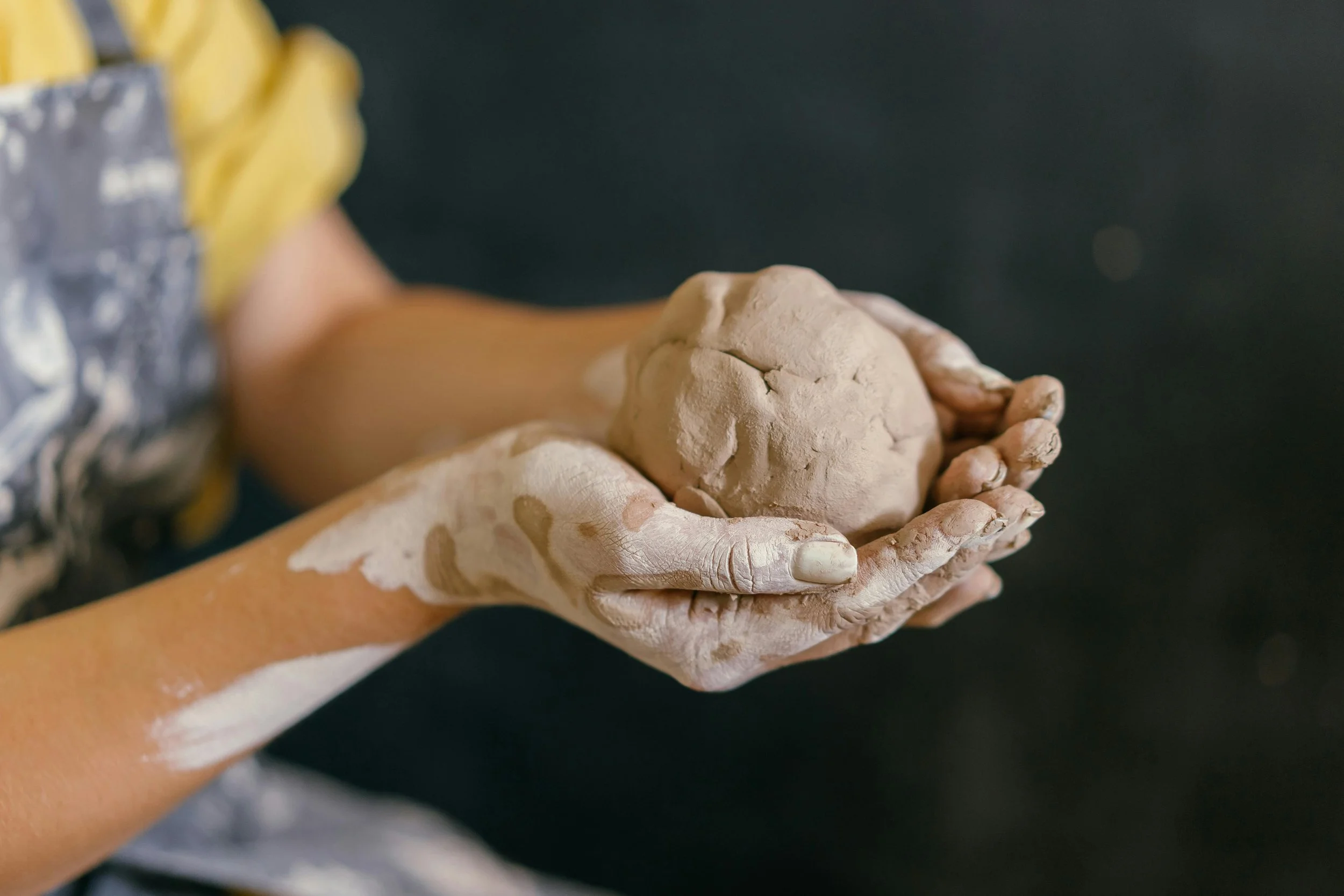
24. Mold Clay
Working with clay grounds. The earthy texture and tactile experience slow the nervous system. It’s no wonder people have been working with clay for centuries! Don’t stress about making something useful. Instead, let the flow of your hands guide you. Our beginner-friendly, immersive Get Grounded workshop is a lovely way to start.
25. Improvise Songs With Friends
Musical improvisation may sound daunting, but it’s profoundly freeing. Get your closest friends together and start with humming, building slowly as a group. Mistakes become melodies. Make sure to clarify that this is a non-judgemental, safe space before getting started. This kind of co-creation builds trust and invites communal, joyful play.
26. Host Themed Dinners
Invite friends to a dinner party where food, music, decorations, and outfits follow a theme. It’s playful, creative, and a wonderfully delightful way to connect! Possible themes could be the 80s, dynamic duos, cartoon characters, Y2K, murder mystery, Harry Potter, or potluck-style.
27. Mend Clothes With Friends
Gather around with needles and thread and give old clothes new life. It’s mindful, social, and highly sustainable. Bonus: you learn useful skills while bonding and sharing stories. If you have no idea where to start, search for local sewing and mending classes or, if there’s none available, watch tutorials on YouTube. It’s ok if you’re not perfect at it!
28. Host a Clothes Swap
Hosting a secondhand clothing swap is a creative way to refresh your wardrobe without spending money. Just for fun, consider adding a theme or style challenge (like “unusual pairings”), and it becomes an expressive playground. Anything left over? Donate.
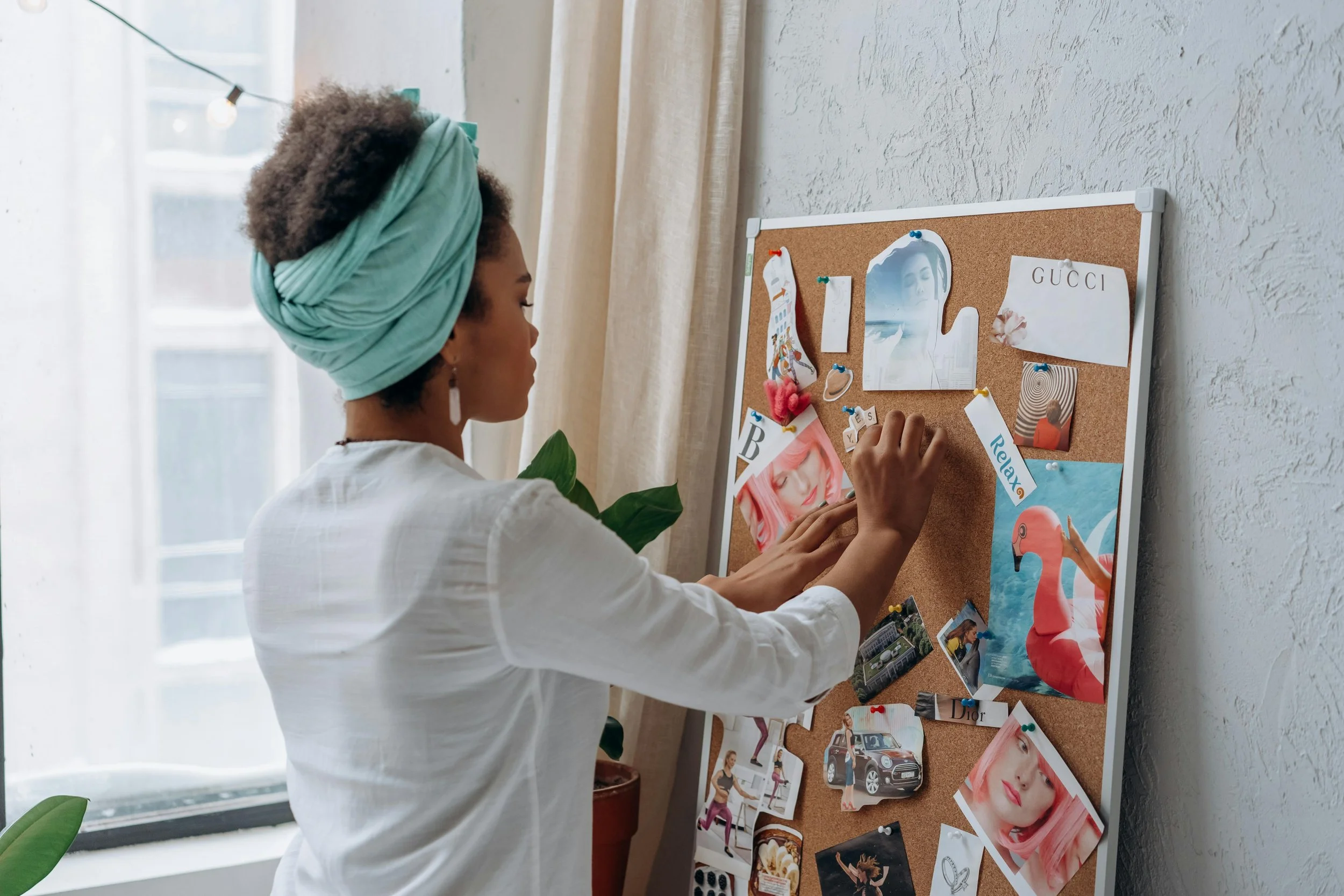
29. Make a Vision Board
Vision boards clarify your dreams and make your goals feel more attainable (which is extremely important in helping you achieve them!). Whether physical or digital, a vision board brings your intentions to life and reminds you of your ‘why’. Let it reflect not just goals, but how you want to feel in the future. For support, join our fun Visioning 2026 workshop!
30. Create a ‘Book of You’
Gather self-discovery notes in one special place: your astrology chart, unique combination of strengths, human design, poems, personal reflections, etc. It becomes a tangible place to return to your essence, values, and what makes you, you. Tip: revisit it monthly and continue to add updates. After a few months, I promise you’ll be amazed at how it grows and how far you’ve come! And if you have kids (or want to have kids), think of how special it’d be to give this book to them one day.
31. Build a Personal Altar
Create a small sacred space in your home with items of importance to you that symbolise the elements: earth, air, fire, water. This Celtic-inspired ritual reconnects you to nature’s basic foundations. It doesn’t need to be religious or spiritual - think of it as intentional space for reflection and grounding connection.
32. Make Your Own Herbal Tea Blend
Grab an array of herbal loose leaf teas or grow your own, and brew your own calming tea. It’s a simple yet grounding creative practice. You get to play with the balance and strength of flavours, make your own blends, and enjoy what your taste buds like the most! Bonus: you get to connect with your food source and enjoy your effort sip-by-sip.
33. Scrapbook
Capture previous memories through photos, collages, text, and mementos. Movie stubs, dried petals, scribbled thoughts - all are welcome. This kind of creative archive helps you celebrate small joys and life’s quiet magic. Scrapbooks get better the more you invest into them. And intentional creative design strengthens your creativity muscle.
What Are the Benefits of Creative Activities as an Adult?
Creative activities help adults:
Reduce stress and regulate the nervous system.
Process emotions in a non-verbal, integrative way.
Foster presence and mindfulness without the pressure of performance.
Strengthen confidence and sense of agency through self-expression.
Nurture curiosity and play, which are often lost in adulthood.
Build resilience and hope in challenging times.
Regularly engaging in creative acts fills up your cup and helps keep it filled. It allows you to consistently move from depletion to regeneration, and is a crucial practice to prioritise especially during life’s difficult moments or challenges.
Where to Find Inspiration
Inspiration often whispers, so it may feel tough to find. You might uncover it:
In the natural world, during walks or seasonal shifts.
While listening to music or reading something poetic.
In conversations where someone else’s story sparks an idea.
In silence, solitude, or rituals like journaling or sitting at your altar.
On Pinterest - search for related queries like ‘creative thrifted outfit inspo’
Sometimes you need to do the thing before the inspiration comes. We often think we need motivation first, but action often awakens inspiration.
If you’re feeling stuck, check out our Whispers From Within workshop! It’s designed to help you re-connect back to body and mind through gentle yoga and guided journaling.
Solo vs Socialising: How to Find or Develop Community With Creative Activities
Good news! You don’t have to choose between solitude and socialising - you can enjoy both whenever you feel like it. Never forget that both me-time and human connection are always available to you.
If you prefer solo practices:
Choose something you can easily begin on your own such as journaling, painting, or reading.
Let the activity become a dialogue between your inner and outer worlds.
If you crave creative community:
Host a creative circle - invite friends to bring whatever they’re working on.
Try collaborative games like one-sentence-at-a-time storytelling.
Organise seasonal gatherings, like a festive ornament-making afternoon with natural materials.
Not sure where to start? Check out our workshops Dance Your Purpose or Nature Speaks, blending depth and meaningful communal play.
Judgement-free creativity often thrives in community, and often, what we struggle to do alone becomes easeful in the presence of others.
Looking for something even easier to explore? Try our free 7-day Rekindle Your Creativity email series - designed to gently guide you back into joyful, expressive flow.
It’s Not About Being “Good” or “Perfect”
So many of us have internalised the idea that if we’re not good at something, we shouldn’t do it. But that’s perfectionism talking, not creativity.
Creativity is your birthright. You’re allowed to make things that are messy, incomplete, or just for you. Let creativity be your way back to joy, presence, being human, and communal connection. Enjoy!

Hi there, so lovely that you're here! Looking forward to connecting with you. - Nora
