24 Critical Questions to Ask Yourself When Making a Decision
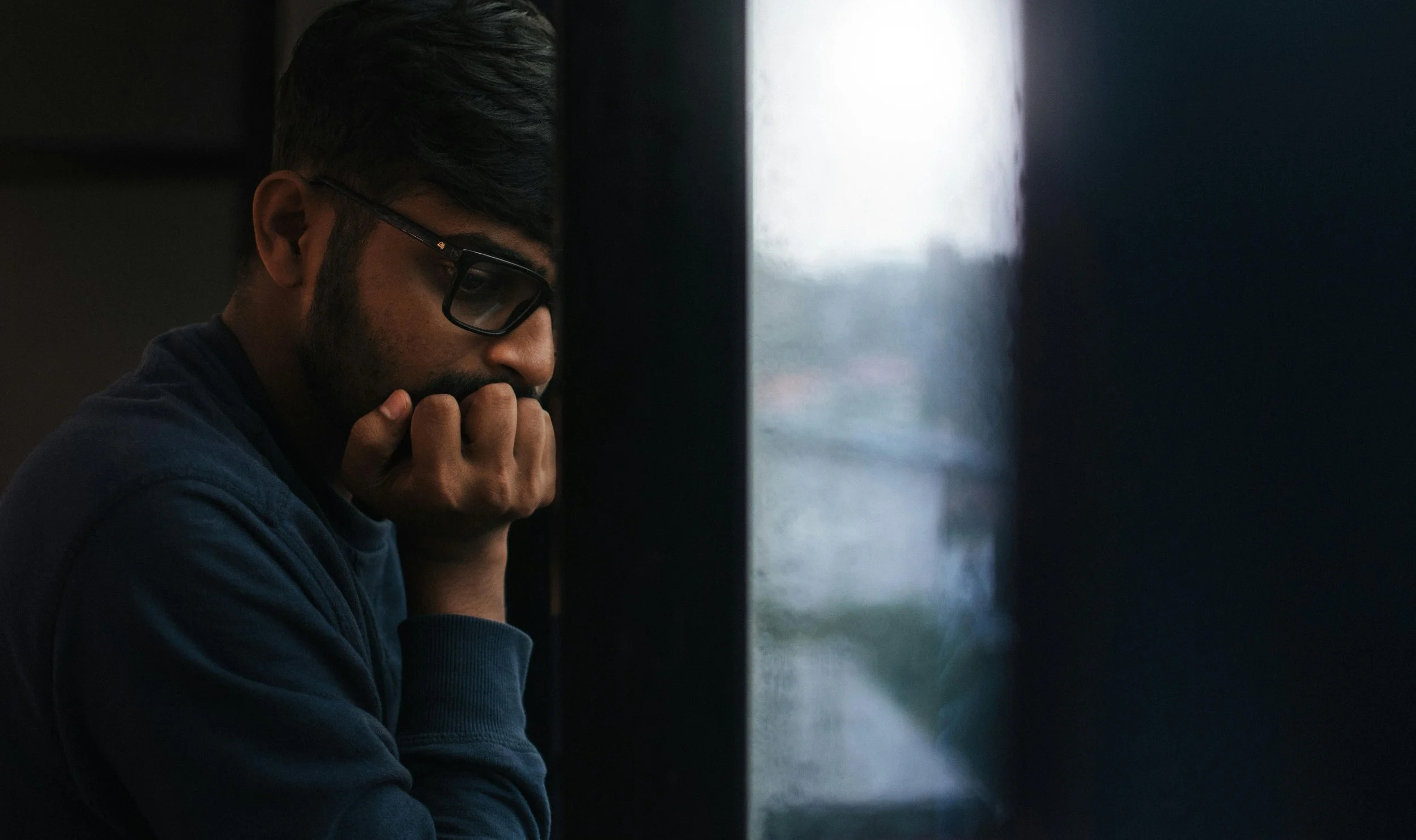
Trying to make a decision can feel heavy, especially when you care deeply about living well, contributing meaningfully, and staying true to yourself.
You’re likely not looking for quick hacks. You’re looking for grounded, reflective questions to ask yourself when making a decision so that you can move forward with more clarity, confidence, and self-trust.
Decisions aren’t just strategic. They also shape your connection to yourself, your energy, your creativity, and your future. It’s understandably easy to feel overwhelmed.
This guide walks you gently through 24 powerful questions. Under each one, you’ll find perspective, examples, common pitfalls, and practical ways to reflect - without adding more pressure to your plate.
Take your time. Breathe. You don’t need to answer all of them at once.
What would happen if I didn’t make this decision?
Sometimes the clearest insight comes from imagining inaction.
When you pause and ask what would happen if you didn’t decide, you shift out of urgency and into awareness. Would life continue more or less as it is? Would something slowly erode - your energy, your curiosity, or your wellbeing?
Many people avoid decisions because uncertainty feels uncomfortable. Yet indecision is also a decision. Research in behavioural psychology shows that prolonged indecision can increase stress levels and mental fatigue, particularly when the issue stays mentally “open” in the background.
Consider:
Would avoiding this choice protect your peace, or prolong discomfort?
Are you postponing because you need more information or because you’re afraid of commitment?
If nothing changed for six months, how would that feel?
There are seasons when not deciding is wise, of course. If you’re depleted, grieving, or navigating major change, pausing can be protective.
But sometimes delay quietly costs you:
Missed opportunities
Continued misalignment
Lingering resentment
A helpful exercise is to write two short paragraphs:
“If I choose not to decide right now…”
“If I actively choose a direction…”
Notice which paragraph brings a sense of relief.
We often see that clarity arrives not through forcing a choice, but through honestly acknowledging the emotional cost of standing still.
2. What could make me regret this decision?
Most of us already know that regret is a powerful teacher.
Rather than fearing it, you can use it as guidance. Studies on long-term regret show that people often regret inaction more than action, especially when it comes to growth, relationships, and creative expression.
Ask yourself:
What might I wish I had considered?
Am I ignoring a quiet inner concern?
Am I choosing short-term comfort over long-term fulfillment?
There are different types of regret:
Regret from acting impulsively
Regret from staying too long
Regret from not trusting yourself
Regret from not trying
It can help to imagine your future self reflecting on this moment. Not from a place of harsh judgement, but gentle wisdom.
What would they thank you for considering carefully?
Common mistakes include:
Overestimating how much others will judge your decision.
Underestimating how much self-betrayal hurts.
Confusing external approval with internal peace.
Try journalling: “Five years from now, I might regret this if…”
Let the answers surface without censorship or judgement.
3. How will I know this was the right or wrong decision?
Unfortunately (and I feel your pain), uncertainty is rarely available upfront.
Instead of asking whether a choice is objectively right, consider how you’ll recognise alignment afterwards.
Clarity often shows up as:
A sense of steadiness
More energy rather than depletion
A quiet knowing, even if nerves remain
Growth often includes discomfort. So anxiety alone doesn’t mean a decision is wrong.
You might know a decision was misaligned if:
You feel chronically drained
You avoid talking about it
You keep wishing you had chosen differently
You can define your own markers of alignment. For example:
“If I feel proud explaining this choice.”
“If my body feels open rather than contracted.”
“If my creativity increases.”
Rather than predicting perfection, create a plan for evaluation. Check in after a month or three months.
This transforms decision-making from permanence into an ongoing relationship, making the decision feel more fluid instead of constraining.

4. How long have I been thinking about this and has it been enough time where I feel ready to make a decision?
Some decisions require incubation because they may be more life-altering than others. And if they are, then you want to make sure you’ve given it a solid amount of thought to the point you feel prepared enough.
Creative insight research suggests that stepping away from active problem-solving can improve clarity. Your subconscious continues working in the background.
Ask:
Have I given myself enough space?
Or am I circling the same thoughts repeatedly?
Am I gathering meaningful information, or just seeking reassurance?
I promise there’s a difference between thoughtful reflection and rumination.
Signs you may be ready:
The options feel familiar
The pros and cons are clear
You feel slightly nervous but stable
Signs you may need more time:
You’re reacting emotionally to small details
You’re mentally and/or emotionally exhausted
You haven’t spoken to anyone you trust
You can give yourself a container: “I will reflect deeply for two weeks. Then I will choose.”
Structure can reduce anxiety while still honouring your process.
5. When I think about the options involved in this decision, how does my body feel?
Your body often recognises alignment before your mind does.
Somatic psychology highlights how bodily sensations can signal stress, safety, or excitement. And how important it is to practice listening to those bodily sensations so that you can make decisions that feel better and better.
Notice:
Tightness in your chest
A sinking feeling
Expansion or warmth
A subtle lift in energy
Sit quietly and imagine choosing Option A. Breathe. Observe.
Then shift to imagining Option B.
Common patterns:
Anxiety feels sharp and urgent
Intuition feels steady and grounded
Fear of growth feels fluttery but energising
But keep in mind that your body isn’t infallible. Trauma, burnout, and stress can distort signals.
That’s why I encourage gentle curiosity rather than rigid interpretation.
If you’re feeling disconnected from your body, creative practices can help you rebuild that connection.
Join us at our next live creative practice session! I specifically guide this time with intention and meaning so that you get the absolute most out of it. Highly recommend giving it a try.
Sometimes clarity returns when you slow down enough to listen.
6. When I think about the options involved in this decision, do I feel anxious, fearful, or like I’m listening to my intuition?
Fear and intuition can feel extremely similar and you’re by far the only person to wonder what exactly they’re feeling deep in their bones.
Both may create a sense of alertness.
The difference often lies in tone:
Fear shouts urgent worst-case scenarios
Intuition speaks calmly and repeatedly
Ask:
Is this fear protective or avoidant?
Would I feel proud of acting despite this fear?
Does this feeling persist over time?
Anxiety often narrows your focus. Intuition tends to expand perspective. And growth frequently includes friction.
A new job, relationship, or creative project can trigger nerves while still being deeply aligned.
Rather than eliminating anxiety, explore its message.
You can ask:
“What are you trying to protect me from?”
And:
“Is that protection still necessary?”
With practice, discernment becomes easier.
7. Is this decision aligned with my long-term goals?
It’s easy to prioritise immediate relief or benefits over long-term intention.
Ask yourself:
Does this support who I want to become?
Or does it reinforce an old pattern?
Write down your long-term goals in three categories:
Personal wellbeing (mental and physical)
Relationships
Career
Then map each option against them.
Sometimes alignment requires short-term discomfort.
Sometimes self-care means choosing peace.
Clarity emerges more easily when you consider the wider arc of your life.
8. What are all of the pros and cons (and risks) associated with my options?
A structured list of pros and cons can help calm emotional overwhelm. Especially if you’ve been keeping all of those thoughts in your brain. If so, it’s time to get them out of there and onto paper. I promise you’ll feel a lot better!
When listing pros and cons, include:
Emotional impacts
Practical consequences
Relational effects
Be honest about potential risks.
Behavioural science shows that we often underestimate risks that feel familiar and overestimate unfamiliar ones.
I know it’s easier said than done, but try to balance logic with emotional awareness.
And avoid perfectionism. No option will have only benefits.
You’re choosing the combination of benefits and challenges you’re most willing to live with.
9. What are all of the pros and cons (and risks) associated with the decision I’m leaning toward?
We often analyse all options evenly, meaning we give them equal weight.
Yet I highly recommend that the one you’re leaning toward deserves deeper scrutiny.
Ask:
Am I overlooking downsides because I want this to work?
Have I romanticised this path?
At the same time:
Am I minimising its strengths because I fear change?
If you’re feeling particularly pulled in any one direction, lean into that. Clarity requires both honesty, compassion, and listening.
10. Which option is more closely supported by my core values?
Values are anchors. They help us make decisions based on the things we care the most about. By seeing which options align more with your values, you’ll start liking an option or two over others.
I also highly recommend this question if you’re feeling lost about what to do next in life or lost on where to start in making an upcoming important decision.
If you’re unsure of your values, consider:
What makes you feel proud?
What behaviours upset you most in others?
When have you felt most aligned in life?
Common values include:
Integrity
Freedom
Connection
Family
Creativity
Stability
Kindness
Honesty
Giving Back
Contribution
Map each option against your top three values.
Misalignment with core values often leads to quiet dissatisfaction over time and either resentment with others or regret with yourself.
Want more mental space and supportive guidance on working through your decision? Check out our 8-week self-paced program Living The Questions designed tolet you live with, and give space for, the questions you hold - without pressing yourself for an answer.

11. If my best friend was in this situation, what would I advise them to do?
Perspective softens self-criticism and gives mental space between you and the decision. This space allows for much-needed room to breathe and a bit of detachment.
The latest research in psychology argues that psychological distance can help you think through things differently (and often, more comprehensively).
When imagining advising someone you love:
You likely offer balanced insight.
You consider their wellbeing.
You see their strengths clearly.
It’s no secret that we’re often harsher with ourselves than with others.
Asking yourself this particular question helps you access wisdom without the noise of self-doubt, self-criticism, and self-judgment.
12. Am I feeling too stressed, pressured, anxious, or uncomfortable these days to fully think through my options before making a decision?
High stress is known to severely impair cognitive flexibility and thinking ability. You don’t want that!
If you’re burnt out or overwhelmed, your nervous system prioritises safety, which can distort decision-making processes.
Before deciding, ask:
Do I need rest first?
Would a few days offline help?
Am I properly nourishing myself?
Sometimes the wisest move is restoring your capacity before choosing. I know this from when I was experiencing depression back in 2022 and still having to make decisions, which was difficult. It wasn’t until I started healing did my decision-making skills improve and I felt a lot better about my steps forward.
13. If all of my options were taken off the table completely, what would I do next?
This question bypasses overthinking. If you’re constantly thinking about all of your options, you’ll get bogged down in them. But if you explore potential paths that don’t involve the options you’ve been thinking about, then you’ll never know what exciting possibilities might exist.
If none of the presented options existed:
What would you create?
What would you design?
What conversation would you initiate?
Sometimes we limit ourselves to visible paths. That’s very human of us! And is why asking yourself this question is so critical. Because you don’t know what you don’t know.
Your most aligned option may not even be fully formed yet, and that’s a thrilling prospect if you ask me.
14. Am I choosing this out of fear of losing what I’ve already invested?
You may have heard of the sunk cost fallacy before (it’s done its fair share of rounds on social media), but it’s a powerful thinking limitation that keeps many people stuck or in a loop of making misaligned decisions.
You may have invested:
Time
Money
Emotional energy
Ego
Reputation
But past investment doesn’t guarantee future alignment or success.
Ask:
If I hadn’t already invested, would I choose this today?
That question can feel confronting, but it can also be truly liberating. I highly recommend giving this one a long and thorough thought.
15. What is the opportunity cost of this choice - what am I actively saying “no” to?
When thinking about making a decision, remember that every “yes” contains multiple “no’s”.
You’re saying no to:
Time spent elsewhere
Alternative growth
Different relationships
A different future
Opportunity cost isn’t about focusing on regret or what might have been. I like thinking of it as becoming aware of what I’m saying no to so that it’s a fully conscious and informed decision. I don’t like to be surprised later on with what may have been had I decided differently, so this helps avoid that potential regret.
Also, knowing what you’re declining helps you commit more fully to what you’re choosing.
16. How will I feel about this choice 10 minutes from now? 10 months from now? 10 years from now?
This timeline perspective helps you zoom out, lowering the chances of impulsive decision-making. Short-term relief can look different from long-term fulfillment.
In other words, it’ll help you feel much more confident about making a choice that’ll still feel good a long time from now.
Consider your:
Immediate emotional response
Medium-term lifestyle impact
Long-term identity alignment
This layered reflection helps you see beyond your life today and allows you to get a glimpse of what life might look like in the future.
Want more mental space and supportive guidance on working through your decision? Check out our 8-week self-paced program Living The Questions designed to let you live with, and give space for, the questions you hold - without pressing yourself for an answer.
17. Is this anxiety I’m feeling a warning sign, or is it just the natural friction of growth?
Growth always stretches identity and comfort. That’s why making changes in your life (small or big) tends to feel uncomfortable.
Sometimes feeling anxious can be a sign that the next step is feeling misaligned. And sometimes it can just be the innate and expected emotional reaction to potential growth.
Ask:
Is this anxiety rooted in real risk?
Or unfamiliarity?
What is my subconscious trying to protect me from specifically?
Often, the body reacts strongly to newness. That’s ok. Allow your body to feel how it wants to feel.
Discernment of emotions grows through practice and reflection. That’s why I recommend giving yourself an hour or two when things are calm so that you can fully devote energy to digging deeper into these emotions that are coming up for you.
18. Am I making this decision because I genuinely want the outcome, or am I just trying to avoid temporary discomfort?
Asking yourself this question is tricky because if you are trying to avoid temporary discomfort, it can be difficult to become self-aware of that.
We sometimes choose:
A job to avoid financial fear
A relationship to avoid loneliness
A safe path to avoid criticism or judgement
But temporary discomfort can lead to deeper fulfillment and happiness.
Moving to a new city may lead to the best relationships and opportunities. Starting to exercise can lead to you feeling your most confident and attractive self. You get the idea.
Don’t be deterred if you’re feeling the fear of discomfort. Feel the fear, but do it anyway. Because that’s completely normal and natural. Growth happens on the other side of discomfort.
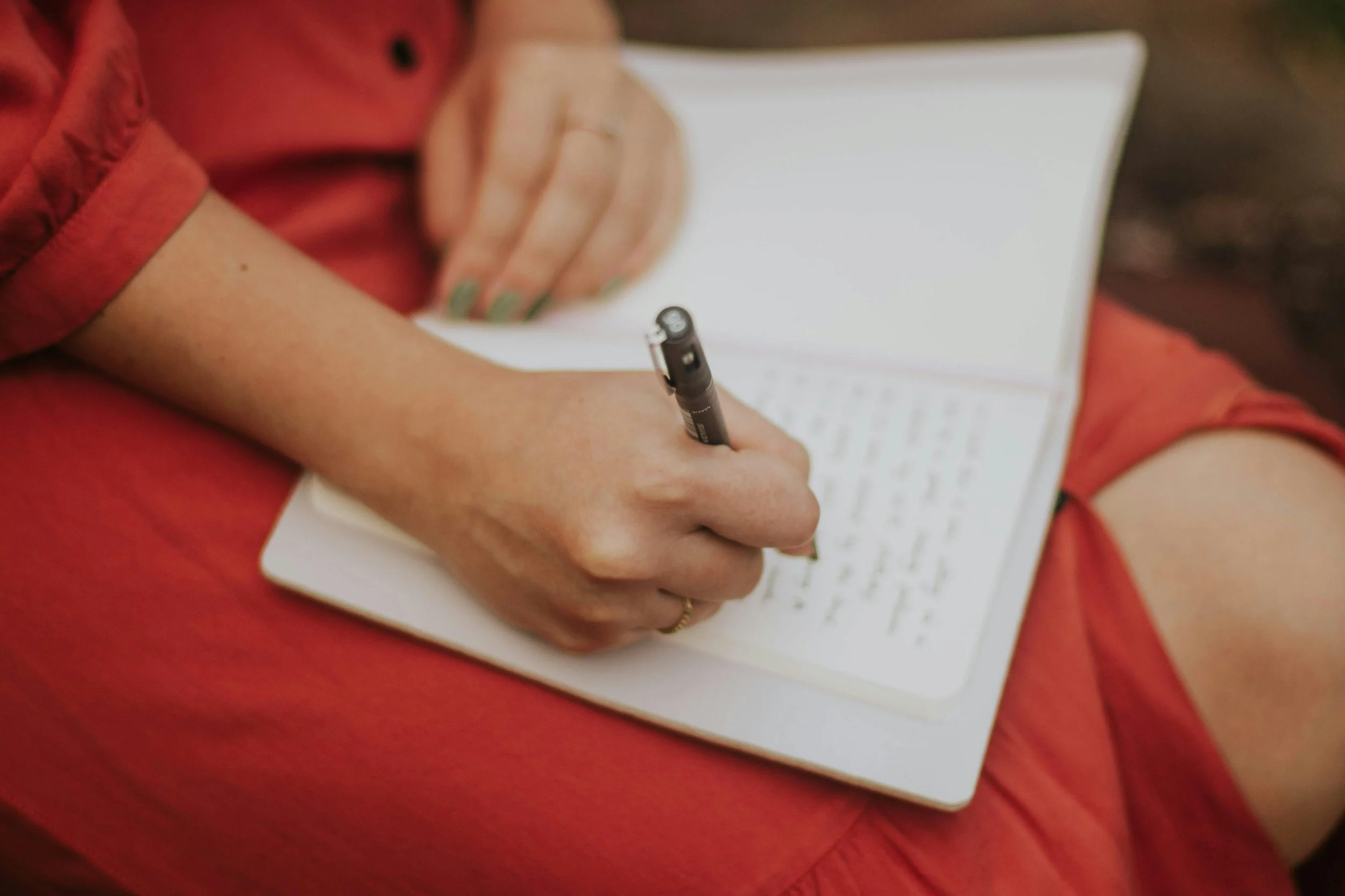
19. How much of this choice is driven by the desire for status or validation from others?
External validation feels good, I get it. Especially if you were raised in a culture where getting validated by others is so engrained. It can feel incredibly hard to try to move past that, let alone even acknowledging that you don’t want to live that way.
External validation can also mislead. Chasing fame, wealth, or prestige can definitely be something you want (and that’s valid!), however, be careful if that motivation is coming from you or coming from the culture, familial dynamics, or parental expectations you were raised with.
Ask:
Would I still choose this if no one knew?
Would this impress others more than it excites me?
There’s nothing wrong with recognition! Or desiring to be well-known.
Alignment simply requires becoming fully aware of your motivations.
20. Can I make this decision reversible, or is it a one-way door?
Good news - many decisions are more flexible than they appear at first glance. If a decision is reversible, I wouldn’t spend months and months thinking about it. I recommend making the best possible decision and then changing it if needed later on. However, if a decision is irreversible (like having kids), then I do recommend spending a lot of time thinking about it so that you can feel 100% sure either way.
If reversible:
Experiment
Set a trial period
Pivot as necessary
If irreversible:
Reflect more deeply
Seek a trusted third-party’s advice
Make sure it feels 100% aligned
Knowing the stakes and what you’re actually getting yourself into reduces fear as well as analysis paralysis, which is feeling paralyzed by doing too much thinking about your choices when making a decision.
21. Which option allows me to fail on my own terms rather than succeeding on someone else's?
Success defined by others can feel hollow. Making decisions on your own terms, meaning that success or failure is your responsibility, can feel scary. It can feel easier to offload some of that responsibility onto others so that failure feels less like you're a failure.
But it can be so empowering and freeing to make decisions where you completely own the outcome. That means that success is your accomplishment and yours alone. Of course, that also means a failure is your weight to bear. But that’s ok because then you’ll learn everything there is to learn so that next time it’s a success!
Ask yourself:
If I succeed here, will it feel like mine?
Or will I feel like it wasn’t really my doing?
Failure aligned with your values often teaches more than success detached from them.
22. At the end of my life, which path would I regret not taking more?
Most people, when asked on their death beds what they regret from their lives, they mostly talk about the things they wish they had done but didn’t.
People nearing end of life often regret:
Not expressing themselves
Working too much
Not nurturing relationships they cared about
Making decisions based on what others wanted them to do
Truly consider the effects of each option if you chose it. Also, which option feels the scariest? Oftentimes the path of least regret is the scariest one.
23. Does this decision align with the person I am trying to become, or the person I used to be?
If you’re leaning towards the option that feels safe, I’m guessing it feels safe because it aligns with the person you used to be. It’s familiar.
But identity evolves over time. With new experiences and new goals, who we were isn’t going to get us where we want to be.
It’s normal to outgrow roles, expectations, or dreams.
Think about:
Who am I becoming?
Which option supports that growth?
Decisions shape identity, especially if they’re decisions outside of your comfort zone.
Choose in alignment with your direction, not nostalgia or what feels safe.
24. If I flip a coin right now - heads for option A, tails for option B - which side am I secretly hoping it lands on while it's in the air?
This is an amazing decision-making hack because it can tell you in a split-second which option you truly want. The coin doesn’t decide for you. It just reveals your true preference.
I recommend doing this exercise and physically flipping a coin for it to work best. However, you can also do it in your mind through visualisation.
Regardless of which way you do it, pay attention to your immediate emotional reaction.
Relief. Disappointment. Excitement.
Really listen to your gut. Allow yourself to freely feel.
That reaction contains valuable information. That’s your subconscious mind telling you the decision it knows is best for you.
Now, you don’t need to answer every one of these questions perfectly.
Even reflecting on a few can drastically shift your clarity and open up new possibilities.
We believe decisions become lighter when you:
Reconnect with your body
Honour your values
Slow down enough to listen
Allow creativity into the process
If you’re navigating a significant crossroads and would like support to help you make better decisions, check out our 8-week self-paced program Living The Questions designed to let you live with, and give space for, the questions you hold - without pressing yourself for an answer.
You don’t have to rush.
Clarity arrives not through force, but through intentional presence and listening.
And remember that whatever you decide, you’re allowed to grow with it.

Hi there, so lovely that you're here! Looking forward to connecting with you. - Nora
